CONTAMINARIUM – 8/8
CATALOG OF FOOD AGENTS AND HAZARDS — MARINE BIOTOXINS AND CHEMICAL BAR POISONS
We reach the conclusion of the Contaminarium series by dismantling the skeletons hidden in the operational closet of the seafood and bar stations: undetectable poisons that carry no odor, no taste, and cannot be destroyed by kitchen fire or the lime juice of a ceviche. Within minutes, these threats can claim a patron’s life. In this final volume, supervisors and operators will learn that the premise of «buying fresh beachside» or «acquiring traditional artisanal spirits with local identity» is, more often than not, a biological and chemical self-deception that exposes customers to a fatal risk or irreversible blindness.
Chemical-Biological Specimens: Invisible Poisons and Their Vectors
Specimen A: Ciguatoxin (The Terror of Grouper and Reef Fish)
A heat-stable biotoxin synthesized by dinoflagellate microalgae (Gambierdiscus toxicus) that bioaccumulates through the marine food chain into the flesh and viscera of large apex predators.
The Enemy’s Profile: It does not alter the color, smell, or taste of the fish. It easily withstands commercial deep-freezing and the extreme heat of baking, boiling, or frying. Large fish concentrate lethal doses by feeding on smaller reef-grazing species.
Kitchen Vectors: Mass beachside sourcing through informal vendors. The chef purchases large grouper, snapper, barracuda, kingfish (sierra), or giant moray eels directly from artisanal fishermen on the shore to artificially lower food costs and boast of local freshness, completely bypassing mandatory government biotoxin testing and sanitary tracing.
Physiological Effect: Ciguatera Poisoning. It violently attacks the central and peripheral nervous systems. It triggers a classic neurological hallmark: temperature inversion (the customer perceives ice as burning hot and hot coffee as freezing cold). It causes severe tingling in the extremities and lips, muscle paralysis, severe drops in blood pressure, and, in high doses, transient blindness or severe blurred vision due to direct inflammation and attack on the optic nerve.
Kitchen Control Practice:
- NRAEF Golden Rule: Purchase large marine fish solely and exclusively from certified suppliers guaranteeing that the product was harvested outside known ciguatera-alert coordinates or seasonal bans.
- Strictly reject any predator fish specimens that exceed local safe weight thresholds (e.g., oversized groupers or kingfish).
Specimen B: Histamine (Scombroid Poisoning via Temperature Abuse)
A preformed toxic chemical compound synthesized within the muscle tissue of dark-fleshed fish due to bacterial decomposition of the amino acid histidine.
The Enemy’s Profile: Once bacteria manufacture histamine because the fish has spent time inside the Temperature Danger Zone (TDZ: 41°F to 135°F / 5°C to 57°C), the poison becomes indestructible. It cannot be eliminated by cooking the fish well-done or by marinating it in the citric acid of a ceviche.
Kitchen Vectors: Thermal neglect during the portioning of Tuna and Mahi-Mahi. The grill cook or sushi chef removes tuna, mackerel, or mahi-mahi loins from the walk-in and leaves them on a warm workstation during the lunch rush under line heat lamps, triggering bacterial synthesis of the toxin within minutes.
Physiological Effect: Scombroid Poisoning. It unleashes a massive, immediate allergic-like reaction. The patron experiences a peppery or bitter taste in the mouth, followed within minutes by severe flushing (redness of the face and neck), hives, palpitations, throbbing headaches, and respiratory distress.
Kitchen Control Practice:
- Keep the cold chain for tuna and scombroid fish strictly below 41°F (5°C) at all times.
- Portion in small batches and return the product to refrigeration immediately; tuna must never «wait» on a warm workstation.
Specimen C: Saxitoxin (Paralytic Shellfish Poisoning – PSP)
A highly potent, heat-stable, and acid-resistant neurotoxin synthesized by dinoflagellates during environmental blooms known as «Red Tide.»
The Enemy’s Profile: Bivalve mollusks (mussels, clams, oysters, scallops) act as mechanical filters, concentrating saxitoxin within their tissues without suffering any harm. The poison is not destroyed by steaming, boiling, or baking.
Kitchen Vectors: Acquiring bivalve mollusks from illegal or informal harvesters who gather shellfish from beaches closed due to sanitary alerts or red tide decrees, bypassing origin-controlled certificates.
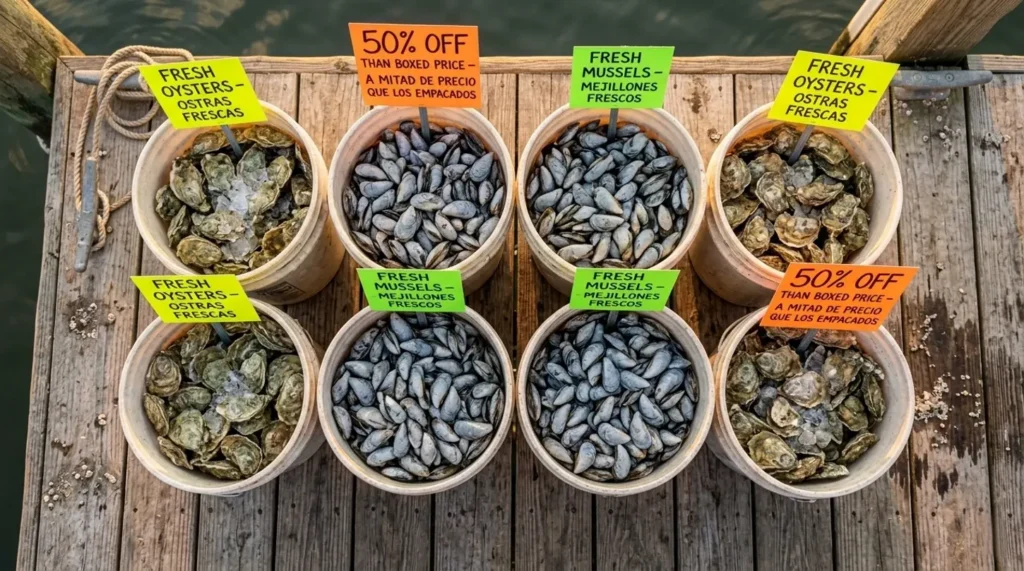
Physiological Effect: Paralytic Shellfish Poisoning (PSP). It completely blocks sodium channels in neurons with fulminant speed. It starts with numbness and tingling in the mouth, tongue, and fingers, followed by a loss of motor coordination, rapidly progressing to a flaccid paralysis of the respiratory muscles, causing death by asphyxiation within a few hours unless mechanical ventilation is provided.
Kitchen Control Practice: Require without exception the batch log number and the health authority certificate proving that the shellfish originated from clean, monitored waters certified free of marine biotoxins.
Specimen D: Methanol (The Chemical Skeleton of Bar Fraud)
A highly toxic industrial alcohol (wood or pine alcohol) criminally utilized to adulterate distilled spirits or high-volume artisanal cocktails to lower operational pouring costs.
The Enemy’s Profile: It is chemically and organoleptically undetectable to the bartender and the customer once mixed into a cocktail. Upon ingestion, the liver metabolizes it into formic acid, a highly destructive cellular compound that specifically targets the nervous system and ocular structures.
Bar and Service Vectors: The trend of artisanal «house-made» cocktails and bootleg spirits. The establishment purchases bulk liquor lacking excise tax stamps or buy traditional home-distilled spirits to craft punches, welcome drinks, or regional bulk mixtures like Caribbean «Guarapita», or macerated spirits such as Poncigué or Mamajuana. In North America (US and Canada), this hazard mirrors the consumption of bootleg Moonshine. The bartender blends these cheap, fraudulent alcoholic bases with juices and sugars that mask the chemical taste of the fraud.
Physiological Effect: Acute Methanol Poisoning. It triggers severe headaches, dizziness, vomiting, and abdominal pain. Its most catastrophic and defining hallmark is a direct strike on the optic nerve cells, resulting in permanent and irreversible blindness, followed by severe metabolic acidosis, coma, organ failure, and death.
Bar Control Practice:
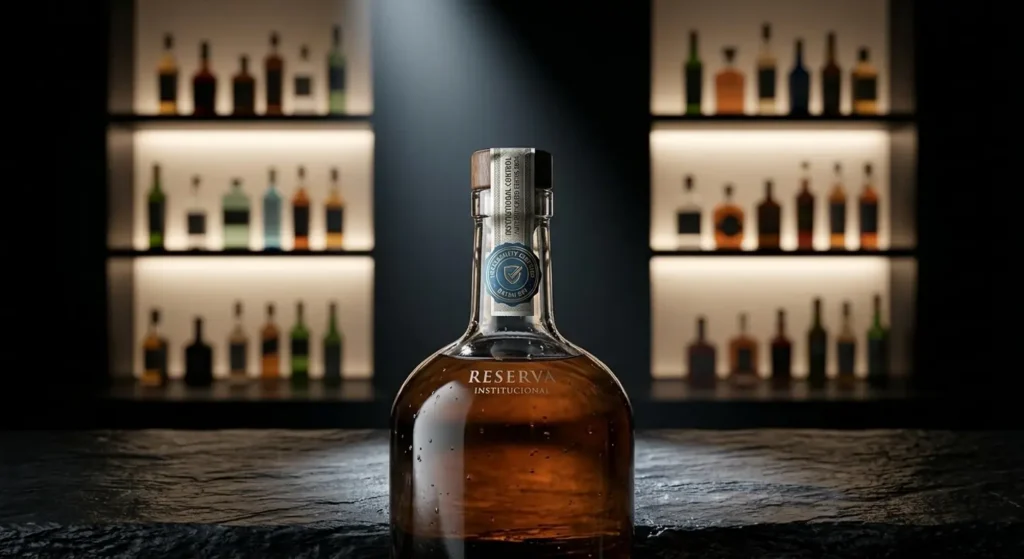
- Absolute prohibition of entering spirits lacking official tax stamps, refilled bottles, or artisanal/home-distilled spirits that lack a formal, legally authorized health registry.
- Completely smash and destroy empty commercial liquor bottles in the recycling area to prevent them from being scavenged and refilled with bootleg alcohol for the black market.
Food Safety Manager’s Summary Note
In the final volume of the Contaminarium, the definitive lesson is that the skeletons hidden in the operational closet are not destroyed by fire. Stovetop heat is useless against the poison of ciguatera, the histamine of neglected tuna, or the formic acid of methanol at the bar. Here, food safety is not achieved by cooking well; it is won through the moral and institutional integrity of the purchasing chain. The Food Manager Professional concludes that a manager who buys uncertified beachside fish or bootleg liquor to inflate profit margins is not doing business; they are playing Russian roulette with the lives and eyes of their customers.
Angelo Campione – FMP